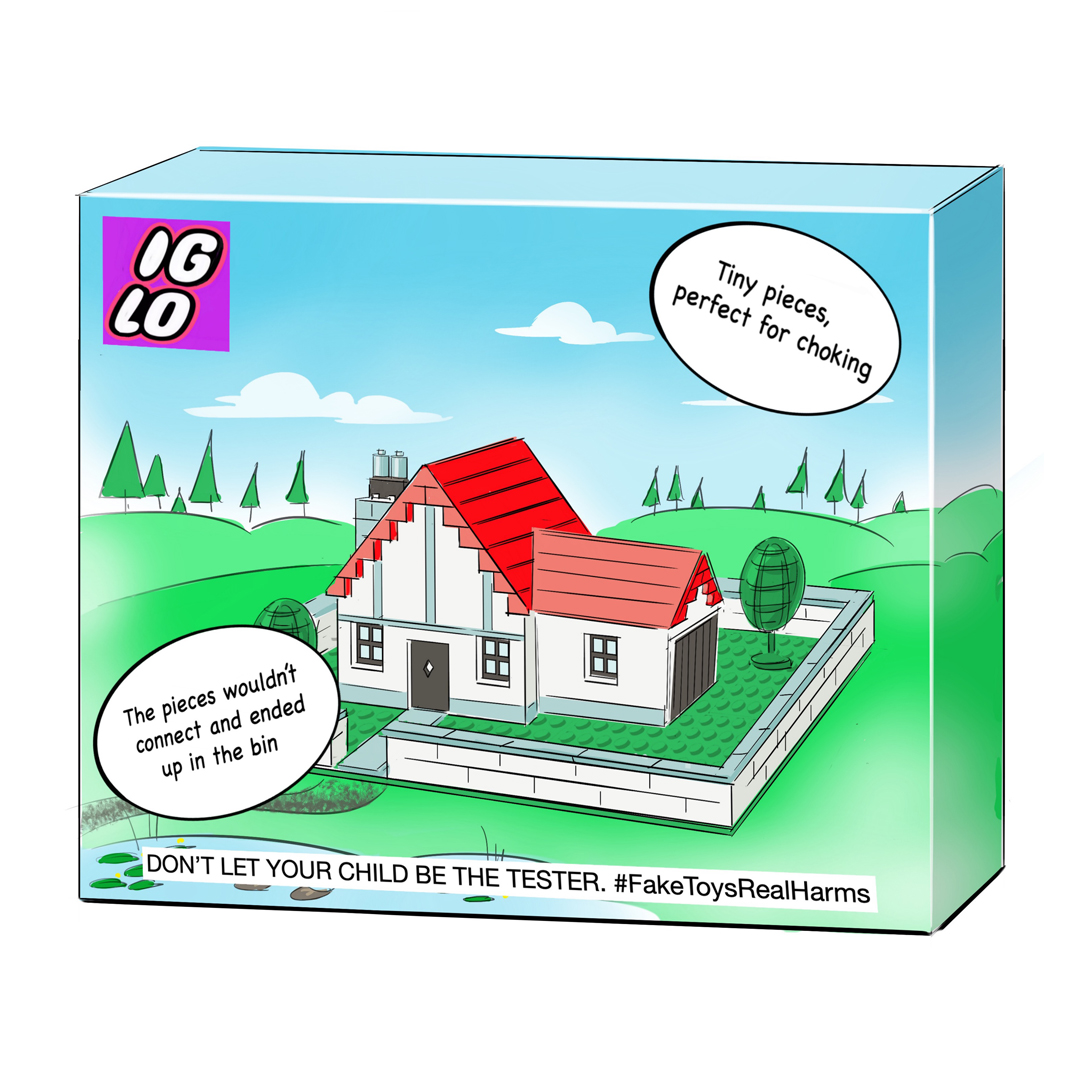
Counterfeit toys are a concern in the UK. This year alone, more than 259,000 fake toys worth £3.5m have been seized at the border, and a shocking three in four failed safety tests. Behind the bright colours and low prices, experts have uncovered banned chemicals, loose batteries, sharp edges and unsafe stuffing.
For us at the British Toy & Hobby Association, toy safety is our number one priority. Our membership of responsible toy makers invest heavily in safety, quality, and innovation but unfortunately innovative and popular designs can be easily stolen by rogue traders who often will not adhere to the same strict toy safety standards.
It’s why we are supporting the Intellectual Property Office’s (IPO) campaign, Fake Toys, Real Harms, launched this autumn to raise awareness and help families protect children from unsafe products.
Why counterfeit toys are such a problem
Counterfeits aren’t always bought knowingly. Sometimes people choose them because they’re cheaper – and when money is tight, it’s tempting to believe a toy will be just as safe. But often families are caught out when shopping online, only to discover later that the toy isn’t genuine. With no chance to check packaging or quality before pressing “buy now”, it’s easy to be fooled by a convincing listing. Some buyers even end up paying full price for a fake without realising.
Either way, the result is the same: families receive products that can break instantly, give off strong chemical smells or, in some cases, make children unwell.
What’s being faked?
Trading Standards has found dangerous counterfeits across the whole toy market – from action figures with toxic paints, to electronic toys with loose battery compartments and exposed wires, to dolls with arms that fall off at the first tug. Even cuddly plush toys have been stuffed with materials that could cause breathing problems.
The pattern is clear: if a toy is popular, counterfeiters will try to copy it. And because these copies often skip the strict safety checks real toys must pass, it’s children who end up discovering the risks first-hand.
Spotting the signs: before you buy
Listings: Blurry images, spelling mistakes or vague product descriptions are red flags.
Spotting the signs: when the toy arrives
What to do if you’ve bought a fake
Playtime should be safe, not experimental.
By supporting the IPO’s Fake Toys, Real Harms campaign, we want to give families the confidence to spot the signs and protect children from harm.